Would you like to expand, convert or upgrade to light your photos with more than just a system flash? Then find out in advance which technology is suitable for your main motifs and how you can make them shine harmoniously both indoors and outdoors! In 10 lessons with over 230 PDF pages, professional photographer Jens Brüggemann shares his many years of practical experience in this tutorial. Enlightening tips that will let you skip many a trial and error! What actually is "correct light"? What do you really need for it? Where can you possibly save costs? And how do you use what you've learned at the shoot? Here you will find answers to all your questions about light in photography!
Insightful facts for your practice: ten illustrated lessons with over 230 pages in PDF format
How to choose the right technique - and how to use it correctly
From professional photographer Jens Brüggemann, who has been putting his subjects in the right light for over 15 years
A flash may be enough, but with the right and correctly applied lighting technique you will become a photon master! Master the basic element of every photographer in all its facets: light!
content
Details of the content
Professional lighting technology and light guidance (E-book)
Professional lighting technology and lighting control: Part 1 - What is the correct exposure?
This tutorial "Professional lighting technique and lighting control" is aimed at those of you who want to create your photos professionally and safely using suitable lighting techniques. It is a deliberately subjective tutorial. It is based on the experience I have gained as an advertising and artistic photographer since 1998.
The target group is therefore professional photographers and those who want to become one. However, dedicated newcomers will also find what they are looking for here, as I will also explain in detail how to work with flash systems for success.
Professional lighting technology and lighting control: Part 2 - Three reasons why lighting technology should be used
Photography means "painting with light". If you look at the usual photography magazines, you might think that camera technology alone (plus the whole range of small photo accessories) is enough to create exceptional photos.
However, if you analyze really impressive photos, you realize that the light or the lighting mood is often a significant factor in the success of the photo. Nevertheless, many photographers have several cameras, but hardly any lighting equipment. With the exception of the system flash, which is probably in every photographer's bag.
Professional lighting technology and lighting control: Part 3 - Light sources relevant for professional photography (?)
Anyone who expects more from light than just that it "gets bright", i.e. who is primarily interested in the QUALITY of the light, should think about which light is particularly suitable for their type and range of photographic subjects. If the photographer considers his favorite subject areas, his working method and his personal taste, this results in an individual requirement profile for the lighting technology, which not every light from every manufacturer can meet.
Professional lighting technology and lighting control: Part 4 - Requirements for professional flash systems
As was made clear in the previous tutorial, in most cases flash units are best suited for creatively setting the light when accomplishing photographic tasks. They are best suited to the requirements of professional and dedicated photographers.
Professional lighting technology and lighting control: Part 5 - Flash systems for indoors and outdoors?
Having outlined the most important requirements in the previous tutorial, this part is about which professional flash systems are suitable for both outdoor and indoor use; in other words, whether there are devices that cover both areas of application and are therefore the ideal solution for all those photographers who want to remain flexible and work creatively with artificial light both indoors and outdoors; and (for example, due to financial restrictions) cannot afford to purchase two different systems (one for indoor and one for outdoor use).
Professional lighting technology and lighting control: Part 6 - Alternatives?
In addition to the devices listed so far, there are of course many other flash units that are suitable for indoor and outdoor use to varying degrees. If you are prepared to accept compromises in the range of functions and ease of use, you can either buy an outdoor flash unit, which can then also be used indoors - with some compromises. Or you can buy a studio flash unit that can occasionally be used outdoors with the help of external battery packs.
Professional lighting technology and lighting control: Part 7 - Camera settings when working with studio and mobile flash systems
Many photographers are used to having almost all settings made by the camera. Although this "all-round carefree package" produces usable results in most (standard) cases, there are enough exceptional situations in which the automatic mode would deliver incorrect results. Even when photographing with the aid of flash units, you have to say goodbye to "automatic mode". Photography is done manually. However, this is not difficult, as the following explanations prove.
Professional lighting technology and lighting control: Part 8 - Practical tips for working with studio and outdoor flash systems
The best flash system is useless if you can't use it effectively and efficiently. Irrespective of the technical operation of the respective devices, which should be adequately described in the accompanying operating instructions, there are also many tricks and special features that only those who have either years of experience in using flash systems or have undergone intensive training will know. This tutorial is intended to help you to use this artificial light effectively and creatively from the outset like an experienced professional - without having gone down the laborious and lonely path of "trial and error" beforehand.
Professional lighting technology and lighting control: Part 9 - Professional indoor lighting control
Anyone who photographs for "big", well-known brands must place great value on quality in their work. This also includes professional lighting. Unfortunately, there are no patent recipes for setting the lights, which is why really good photographers never stop experimenting with the light. However, if you work with flash systems and have a sufficiently bright modeling light at your disposal, you should be able to master almost any lighting challenge with ease. Because according to the principle "What you see is what you get", you only need to look closely: The photographer sees every effect caused by changing the light position or the light characteristics (by changing the light shaper or distance).
Professional lighting technology and lighting control: Part 10 - Professional outdoor lighting control
When photographing outdoors, you have to expect the lighting conditions to change quickly and imperceptibly. Our eyes get used to changing brightness - the camera does not. This is the reason why even professionals like to work outdoors with one of the automatic functions (aperture priority, shutter priority or program automatic) (or at least constantly orient themselves to the values of the light meter).
However, if you are using a battery-powered flash unit, you also have to work manually outdoors.
Professional lighting technology and lighting control: Part 1 - What is the correct exposure?
Professional lighting technology and lighting control: Part 2 - Three reasons why lighting technology should be used
Professional lighting technology and lighting control: Part 3 - Light sources relevant for professional photography (?)
Professional lighting technology and lighting control: Part 4 - Requirements for professional flash systems
Professional lighting technology and lighting control: Part 5 - Flash systems for indoors and outdoors?
Professional lighting technology and lighting control: Part 6 - Alternatives?
Professional lighting technology and lighting control: Part 7 - Camera settings when working with studio and mobile flash systems
Professional lighting technology and lighting control: Part 8 - Practical tips for working with studio and outdoor flash systems
Professional lighting technology and lighting control: Part 9 - Professional indoor lighting control
Professional lighting technology and lighting control: Part 10 - Professional outdoor lighting control
Examples of use
Open gallery
Professional lighting technology and lighting control: the e-book!
Open gallery
Right in the middle of practice: Jens Brüggemann has light and lighting fully under control!
Open gallery
The jungle of possible lighting technology: find out what you really need - and what you don't.
Open gallery
Once you have the technique: This is how you set the scene for your motifs.
Open gallery
Enriched with numerous illustrations that show you what "works" with light.
Open gallery
Numerous practical tips for your shoots in the studio ...
Open gallery
... or on various other occasions.
Comments (4)
Comment now „Professional lighting technology and lighting control“

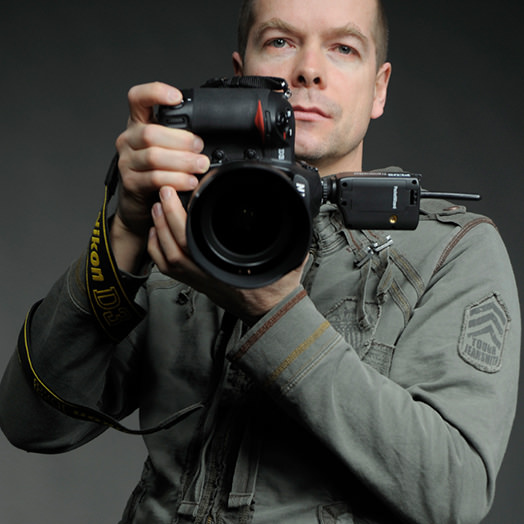


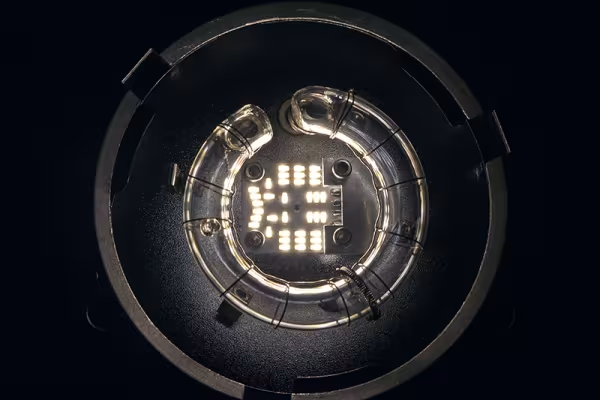 Professional lighting technology and lighting control: the e-book!
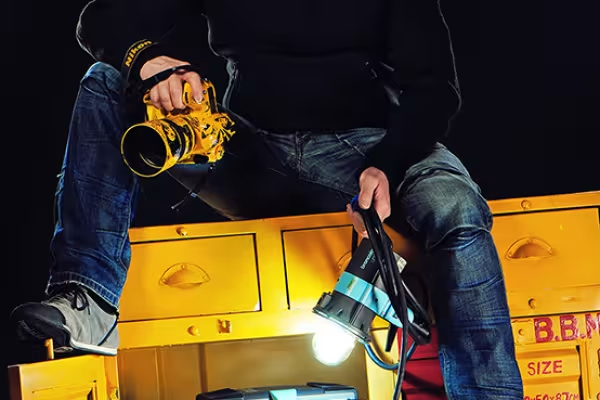 Right in the middle of practice: Jens Brüggemann has light and lighting fully under control!
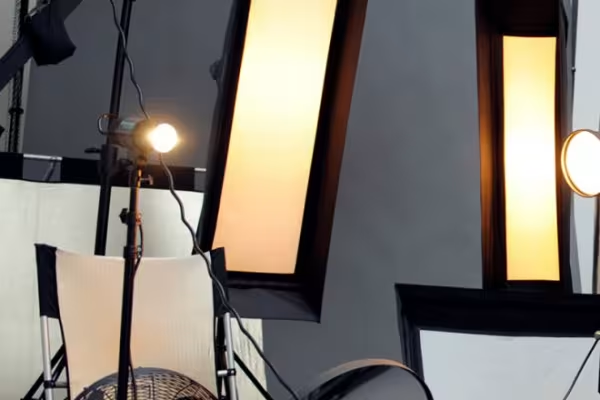 The jungle of possible lighting technology: find out what you really need - and what you don't.
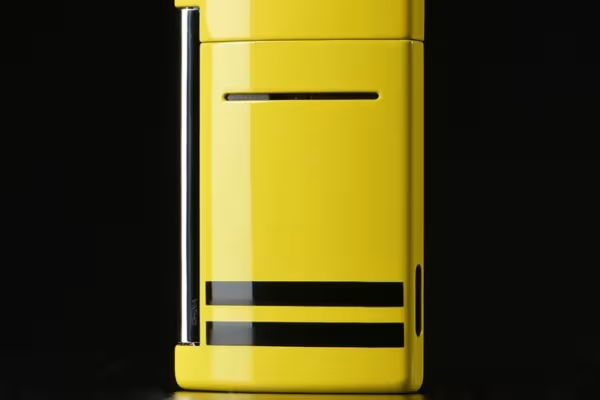 Once you have the technique: This is how you set the scene for your motifs.
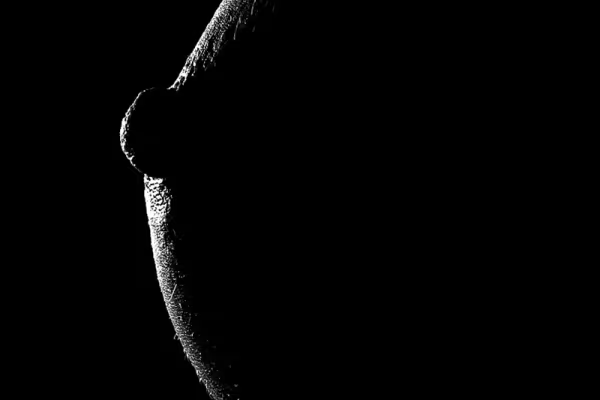 Enriched with numerous illustrations that show you what "works" with light.
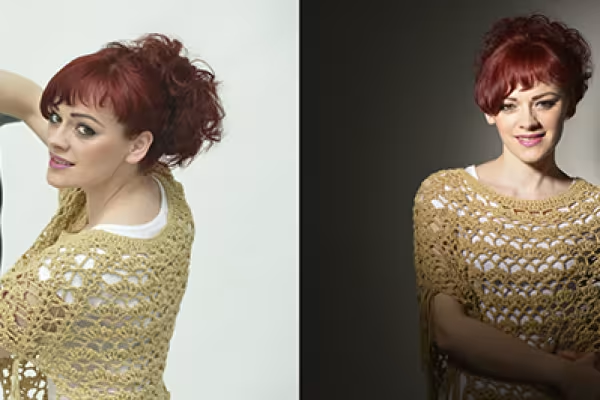 Numerous practical tips for your shoots in the studio ...
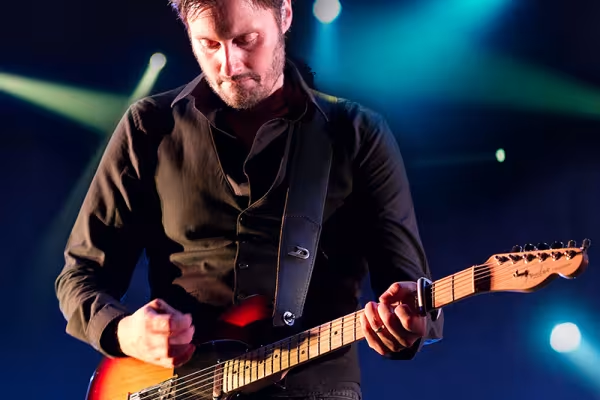 ... or on various other occasions.



Comment now „Professional lighting technology and lighting control“