
With a continuous funnel, you can create long-term customer loyalty and efficiently increase revenue. Unlike traditional sales funnels, this funnel has no defined end, but ensures that potential customers are continuously engaged. In the following, I will explain how to set up such a funnel and effectively use it.
The video is only loaded from YouTube when you play it – data (including your IP address) is then transmitted to YouTube/Google. More in the privacy policy
Main Insights The continuous funnel allows you to stay in touch with potential customers continuously by providing recurring communication through email marketing. Through strategic offers and content, you can continuously promote your products and stimulate repeat purchases.
Step-by-Step Guide
1. Introduction to the continuous funnel
The first step is to understand what a continuous funnel is. You have a starting point but no defined end. For example, sharing a TikTok video leads user behavior back to your offers repeatedly.

2. Choose a Traffic Source
You can use different traffic sources to attract potential customers to your funnel. In my example, I use a TikTok video, but you can also use other platforms to increase your reach.
3. Create an Opt-In Page
Direct the traffic to an opt-in page. Here, prospects enter their contact information such as email addresses and names. This page is crucial to ensure that you get their data and can reach out to them.
4. Thank-You Page and Follow-Up
After signing up, users should be redirected to a thank-you page or a thank-you email. This ensures a positive experience and shows your appreciation for their interest.

5. Create a Free Offer
Offer users a freebie, such as a consultation or free advice. The goal is to build trust and guide them to your sales page.
6. Integrate a Sales Page
Guide potential customers from the free offer to a sales page. Here, you showcase your products or services and explain the benefits users can derive from them.
7. Analyze Purchase Behavior
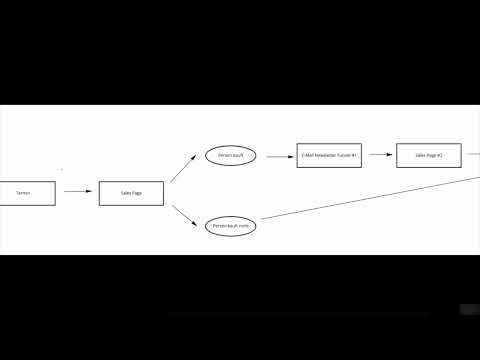
When a user makes a purchase, create an automated email newsletter with further offers. These emails should be visually appealing to promote sales and enhance trust.
8. Build an Email Funnel
Create an email funnel that promotes more products. This funnel can include many emails, allowing you to stay in touch over an extended period and generate numerous sales opportunities.
9. Loop Strategy
To design the loop of the email funnel, you can plan the emails. For example, you could send 200 emails over several years. Over time, the customer repeatedly sees your offers, increasing the likelihood of a purchase.
10. Track Purchases
Ensure to track all purchase activities. If a customer buys all products from a funnel, you can decide which funnel to continue for this person in the future.
11. Respond to Abandoned Purchases
If a user is on your sales page but doesn't buy, you should still stay in touch. Include them in your loop and continue sending emails with incentives to bring them back.
12. Conclusion and Funnel Maintenance
It's essential to regularly maintain the funnel. If some contacts are not active and do not open several emails, you may consider removing these contacts to clean up your list.
Summary
A continuous funnel is a powerful method to bind customers in the long term and generate steady sales. With proper planning and implementation, you can efficiently attract many contacts to your offers in the future.
Frequently Asked Questions
What is a continuous funnel?A continuous funnel has no defined endpoint and ensures ongoing customer engagement.
How do I create an Opt-In page?Create a simple webpage where users can leave their contact details to receive updates and offers.
What are the benefits of a continuous funnel?It enables limitless communication and ensures multiple customer engagements and sales opportunities.
How often should I send emails?You can send emails regularly, e.g., once a week or every two weeks, depending on your strategy.


