Without good light, almost every shot looks flat, whether you take photos or shoot videos. Nevertheless, many beginners and advanced photographers ask themselves the same question: What kind of light do I actually need, and what do I have to do with it so that the image looks the way I imagined it? This is exactly the question the masterclass on light addresses. It is designed for both photographers and filmmakers and comprises almost six hours of video material.
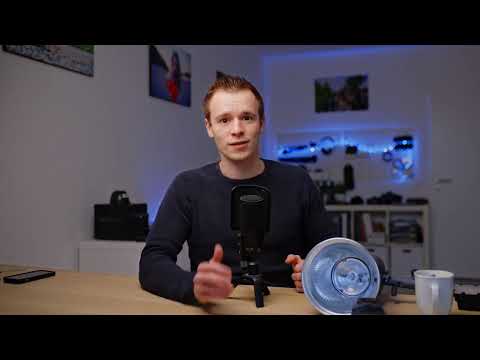
The video is only loaded from YouTube when you play it – data (including your IP address) is then transmitted to YouTube/Google. More in the privacy policy
This guide summarizes the core content of the course and shows you how to work through the topics step by step. You will learn which types of light are covered, why video and photo differ in some respects, and where you can find support.
Key Takeaways
Light determines a large part of an image's impact. With deliberate lighting design, you can get significantly more out of a shot than you can with a new camera or a new lens. The course covers natural light, speedlights, and studio flashes, and it shows you how to use light directions and setups deliberately. Similar rules apply to video as to photo, but you also have to pay attention to some special considerations. The accompanying community gives you space for exchange and feedback on your own results.
Step-by-Step Guide
Step 1: Recognize the Starting Point
The first step is to honestly examine why your shots have so far not looked the way you want them to. In most cases, it comes down to the light. Look at your latest photos or videos and pay attention to where shadows are missing, where faces are too dark, or where the mood is off. This observation is the foundation for everything else.

Step 2: Ask the Right Question
Instead of asking yourself what equipment you need, you should first clarify which light suits the particular situation. The goal is for your shot to end up looking exactly the way you imagine it. Only once you have this image in your head can you decide which light you need and how to use it.

Step 3: Start with Natural Light
The course starts with natural light. It is the foundation on which everything else builds. You learn to read daylight, assess its quality, and use it deliberately for your subjects. Anyone who masters daylight also understands artificial light sources better.

Step 4: Use Speedlights
If natural light is not enough or you want to work more flexibly, speedlights come into play. The course devotes a large section of its own to them. You learn how to set up the flash, how to move it away from the camera body, and how to combine it with ambient light so that the result looks natural.

Step 5: Build Studio Flashes and Lighting Setups
Studio flashes are suitable for controlled conditions. In the course, shooting takes place together in the studio, and you go through different lighting setups step by step. In doing so, you see which equipment is needed in which configuration and what effect it achieves. This part is especially suitable if you want to implement different styles in a reproducible way.

Step 6: Choose the Light Direction Deliberately
A central building block is the question of which direction the light falls on the subject from. From above, from below, from the side, or from the front – each direction creates a different mood and emphasizes different structures. While practicing, pay attention to how shadows change as soon as you move the light source. Over time, you develop a feel for which direction suits which subject.

Step 7: Consider the Differences Between Photo and Video
Many people assume that light for photo and video is no different. The basic rules are indeed similar, but video brings additional requirements. Some light sources that work without any problems when taking photos are unsuitable for filming because they are too heavy, too loud, or make the image flicker. If you want to master both media, you should know these differences.

Step 8: Download the material and take it with you
The course offers you an extensive collection of material. You can download the content and use it on the go as a reference. This way you always have the most important setups and guidelines at hand, even when you have to assess a subject on location.

Step 9: Don't invest in equipment first
Before you spend money on a new camera or a new lens, it is worth taking a look at lighting design. In my experience, light accounts for a large share of the overall result, and with well-placed light you can achieve impressive results even with simple equipment. Image composition also plays an important role here.

Step 10: Recognize the added value of targeted lighting work
A comparison makes the difference especially clear. In the course, the same scene is first shot only with incoming window light against the sun, and then with a well-thought-out setup. The difference is visible, and it shows how much can be gained with little additional effort. The real challenge is figuring out when which light is appropriate.

Step 11: Use the community for exchange
Learning works better when you show your results and get feedback. In the accompanying community, you can upload photos and videos, describe your lighting setups, and ask questions. Other participants and the course instructors give you tips on what you could do differently. Especially at the beginning, this input is valuable.

Step 12: Keep building on the foundation
The course covers a very large part of the topic of light. The foundation you get there can be expanded in any direction, depending on whether you want to do documentary, portrait, product, or film work. The last step is up to you: try out the content, observe the results, and develop your own style from it.

Summary – Photographing and filming light: The introduction to the Masterclass
The Masterclass gives you a broad foundation in lighting design. You begin with natural light, expand your knowledge to include on-camera flashes and studio flashes, and learn to use light directions deliberately. Along the way, you also learn where photo and video differ. With the downloaded material and the exchange in the community, you can put what you have learned into practice right away and refine it. If you plan your light deliberately, your shots often improve more than they would with new equipment.
FAQ
Who is the Masterclass intended for?It is aimed at both photographers and filmmakers who want to improve their lighting design.
Which types of light are covered in the course?The course covers natural light, on-camera flashes, and studio flashes with various lighting setups.
Do I need to buy a new camera for the course?No. According to the course instructors, a new camera or a new lens alone achieves little if the light isn't right. A lot can be achieved with targeted lighting design.
Is there support outside of the videos?Yes. An accompanying community offers the opportunity to share results, receive feedback, and ask questions.

