Your studio flash with a bare reflector may look like a lot of light, but the quality of your images is determined by the attachment in front of it. Softboxes, umbrellas, beauty dishes, and grids change how large the light source appears, how soft the light falls, and where it goes. In this guide, you will get to know the most important light modifiers and learn when to use which one. By the end, you will be able to decide deliberately which attachment suits your subject and the image look you want.
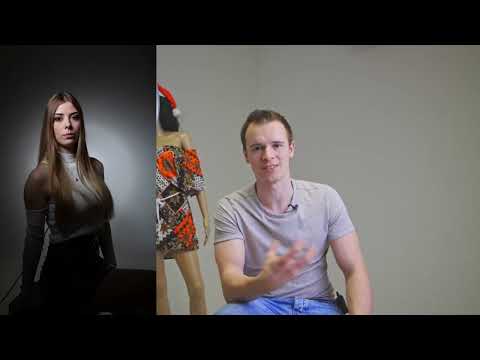
The video is only loaded from YouTube when you play it – data (including your IP address) is then transmitted to YouTube/Google. More in the privacy policy
Key Takeaways
- The size of the light source largely determines how soft or hard the light looks. Large sources diffuse strongly, small sources create contrast.
- A beauty dish delivers a centered, crisp light with a gentle falloff toward the edge and is particularly well suited for portraits.
- Grids focus the light and prevent it from falling unintentionally on the background or surroundings.
- Rectangular and round softboxes differ mainly in the catchlights in the eyes, with round shapes usually looking more natural.
- Larger light modifiers and grids swallow power, so you need to adjust the flash power accordingly.
- To get started, two square softboxes or one beauty dish are usually enough.
Step 1: Understanding the Size of the Light Source
The most important factor for any light modifier is its size. Imagine a large softbox placed close to the subject. It diffuses the light in all directions and creates a soft, even light with gentle shadows. A small light source, on the other hand, casts clear shadows and significantly stronger contrast. As a rule of thumb: if you want soft light, choose a large light modifier. If you need hard, high-contrast accents, choose a small one.

Step 2: Classifying the Flash Without an Attachment
Many studio flashes come with a reflector. The reflector at least roughly focuses the light forward. Nevertheless, the light source remains small, and the light still scatters strongly. A bare flash with a reflector is similar in effect to a ceiling lamp that illuminates the room evenly. For an appealing portrait, this is rarely the right choice. The reflector can, however, be suitable for effect lighting, for example as a hair light or for illuminating the background.

Step 3: The Beauty Dish as a Portrait Light Modifier
The beauty dish is a round reflector with a characteristic shape that focuses the light centrally and lets it fall off gently toward the edge. This creates a focal point on the face while the surroundings become darker. Beauty dishes come in different sizes: a small dish delivers higher-contrast, crisper light, while a large one produces softer light with a bit more coverage. The coating also plays a role. White versions look softer, silver ones deliver more power and crisper contrasts.
Pay attention to build quality when buying. Dents or out-of-round edges change the light, and with frequent transport or use, light modifiers wear out.


Step 4: Using Grids for Targeted Light Control
A grid is a lattice made of fabric, plastic, or aluminum that is placed in front of the light modifier. It prevents the light from spreading sideways and concentrates it on the center instead. The result is a cone of light with hard, crisp light in the center that falls off quickly toward the outside. A grid thus gives you the ability to keep the background dark and avoid unwanted stray light.
One small drawback: even with a grid, a certain amount of scatter remains, because light can never be completely controlled. The grid can usually be attached to the light modifier using special mounts. Take a close look at the grids when buying, and ideally take a matching one with you right away.


Step 5: Softboxes for Even Light
Softboxes consist of fabric stretched over a metal frame. They produce soft, even light and are therefore ideal for many everyday situations. Most beginner sets include square softboxes. They work well, but you should be able to use them correctly, because their light can quickly look flat on portraits if you place them too close or too frontally.
Rectangular and round softboxes differ in the image mainly in the eyes. Rectangular shapes appear there as rectangular reflections, which sometimes look unnatural. Round softboxes produce more harmonious reflections. In the face itself, the difference is barely visible in pure portraits, but it is on the background or with strongly visible light edges. Both variants are therefore equivalent if you know what you want to achieve.


Step 6: Coordinating Size, Background, and Distance
The size of your light modifier depends on what kind of light you need. For high-contrast images, you should choose a smaller light modifier or not overdo it. For very soft light, for example in video recordings, you need a larger light modifier.
However, large light sources have a disadvantage: they spread the light widely and often illuminate the background as well. If you want to avoid this, use a honeycomb grid or choose a smaller light source. Also keep the power requirement in mind. A large light modifier absorbs more light, and a honeycomb grid significantly reduces brightness. You then have to turn the flash power up to achieve the same exposure.
A distance of about 60 to 90 centimeters from the subject has proven effective in portrait photography. But try out different distances, because the effect changes noticeably.


Step 7: Using Specialized Light Modifiers Purposefully
Besides the standard shapes, there are special light modifiers. Tripights, for example, illuminate only a narrow strip from top to bottom, so that hardly any light falls on the face. This is excellent for contour lighting, especially in lingerie or nude photography. Tubes shrink the light source even further and create a focused cone of light that works as an effect light or hair light.
You don't necessarily need such light modifiers to get started. They are worthwhile when you want to realize specific image styles purposefully.


Step 8: Making the Right Selection and Experimenting
At the beginning, the selection can seem confusing. As basic equipment, two square softboxes and a beauty dish are often enough. With these, many situations can already be covered. Add to it later, specifically, when you need particular effects. Don't overdo it with purchases, but first try out what you actually need.
A good way is a rental studio. There you can test different light modifiers, photograph a model, and observe how each attachment affects the image. This practice shows you more than any description.

Summary ??? Choosing the Right Light Modifier: Softbox, Beauty Dish, and Honeycomb Grid
Light modifiers largely determine the character of your light. Large sources provide soft light, small ones hard contrasts. The beauty dish is suited for portraits with the focus on the face, honeycomb grids concentrate the light and prevent spill, and softboxes deliver even, soft results. Remember that larger attachments and honeycomb grids require more power. With two softboxes and a beauty dish, you have a solid foundation, and a test shoot in a rental studio helps you find your own style.
FAQ
Do I absolutely need a beauty dish for portraits?No, it is not strictly necessary. A softbox also delivers good portrait results. However, the beauty dish offers a particularly characteristic, centered light effect.
Which light modifier makes the most sense for beginners?Two square softboxes or a beauty dish are usually enough to start with. With them, many subjects and lighting situations can already be handled.
Why should I use a honeycomb grid?A honeycomb grid concentrates the light and reduces spill. This keeps the background darker, and the light hits the subject more precisely.
Are round softboxes better than rectangular ones?On the face, the differences are small. However, round softboxes produce more natural, harmonious eye reflections, while rectangular shapes can sometimes look unnatural.
Why do I need more power with large light modifiers?A large light modifier distributes the light over a larger area, and a honeycomb grid absorbs additional light. That's why you have to increase the flash power to achieve the same brightness.
How do I find out which light modifier suits my subject?Experiment with different attachments and distances. A test shoot in a rental studio quickly shows you how each light modifier affects your subject.


