

A good photo shoot rarely begins with the shutter release. It begins with a look at the ground, at the available light, and at the person who will later stand in front of the camera. This is exactly where the tutorial "Staged Sports Photography: 4.1 Location Check and Model Introduction" comes in. In it, Maik introduces the mountain biker Nicole and explains why he chose a narrow forest path as the backdrop. This guide takes up his considerations and shows you step by step how to check a location, involve a model, and assess light and weather before you unpack your camera.
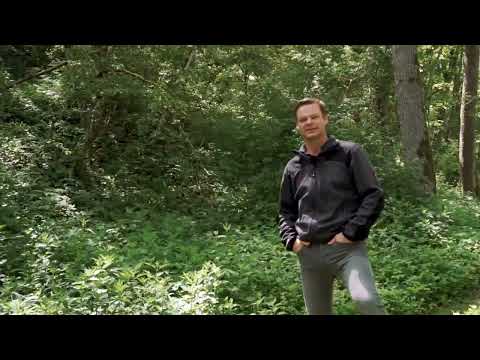
The video is only loaded from YouTube when you play it – data (including your IP address) is then transmitted to YouTube/Google. More in the privacy policy
Key Takeaways
- A location check is the foundation of every staged sports shoot. Take the time to explore the location on site.
- The choice of location depends on the theme. For mountain bike shots, you need terrain that shows movement and speed convincingly.
- The model's skill determines which route is realistic. Check the difficulty and the surface before you settle on a concept.
- The bike itself is a selection criterion. Its look must fit the image idea.
- Dark forest areas call for a lighting strategy, for example a speedlight.
- The weather forecast and the current conditions decide whether you start or postpone. Safety always comes first.
Step-by-Step Guide
Step 1: Take in the location at first glance
Before you set anything up, get an overall impression. Maik begins his video with an assessment of the situation: the location is very green, and the forest offers plenty of vegetation and a natural atmosphere. During your own check, pay attention to which colors, structures, and backgrounds dominate. Ask yourself whether the surroundings support the story of your image or whether they are more of a distraction. Also note which image ideas can actually be realized here.

Step 2: Let the model arrive and introduce her
The model is part of the concept, not just part of the picture. In the video, Nicole already arrives on her bike, and Maik briefly introduces her. Use this moment to take a look at the equipment. A high-quality bike with suitable components looks credible in the image and fits the theme. Also talk to the person about her experience so that you know what you can expect of her.

Step 3: Let the model warm up
Have your model ride a few laps before the actual shoot. Maik explicitly asks Nicole to ride already while he explains the location. This has a double benefit: the model loosens up, and you see how she moves on the terrain. Especially in sports shots, a person who feels confident looks more convincing in every pose.

Step 4: Select the location deliberately
The choice of place always follows the theme. Maik deliberately selected this forest section because it is well suited for mountain bike shots. When making your own selection, consider which elements convey the theme: roots, climbs, curves, gravel, or trails with obstacles. A location that merely looks beautiful but offers no athletic dynamic does not tell the story of your subject. Therefore, check whether the idea can actually be realized at the place.

Step 5: Realistically assess terrain and difficulty
Maik points out a narrow path that cannot be ridden under easy conditions. This is exactly the point you must not overlook during the location check. Measure the width of the route, check the surface, and note spots with loose material or obstacles. The model should be able to handle the route confidently. If not, you are better off moving the shot to a calmer section rather than taking risks.

Step 6: Consider the bike as part of the image composition
In a mountain bike shoot, the bike is more than a prop. Maik uses the bike's equipment as an argument that the location was well chosen. Make sure that the frame color, wheels, and components fit the surroundings. A bike whose color harmonizes with the green of the forest, or a contrast that deliberately stands out, can strongly shape your image.

Step 7: Assess the Lighting Situation in the Forest
In the forest, the light is rarely even. Maik announces that it is rather dark in the surrounding area. He wants to work with a simple hot-shoe flash in order to still achieve a strong effect. Therefore, test in advance where patches of light fall and where it gets too dark. Think about when you will use the flash, how you will aim it, and whether it should highlight the model or only the background. The position of the model relative to the path is also important: plan the approach route so that the person comes toward you from the right direction.

Step 8: Weigh Up Weather, Noise, and Safety
The last check concerns the environmental conditions. In the video, thunder can occasionally be heard in the background, so the conditions are not ideal. Maik takes this seriously, pays attention to safety, and plans a break if necessary. At the same time, he compares the weather forecast that he checked beforehand and considers it good enough. With this weighing up, you decide whether you start. When in doubt, the rule is: postpone the shoot if a thunderstorm threatens or the ground becomes dangerous due to rain.

Summary – Location Check for Mountain Bike Shoots: Planning Model, Forest, and Light
A properly prepared location check determines the success of a staged sports shoot. You begin with the overall impression of the location, introduce the model, and let them warm up. Then you choose the location to suit the theme and realistically assess the terrain and difficulty. The bike becomes part of the image composition, and the lighting situation in the forest calls for a well-thought-out flash strategy. Finally, you evaluate the weather and safety before you start. With this sequence, you work in a structured way and avoid unpleasant surprises on site.
FAQ
Why should I have the model warm up before the shoot?A warmed-up model feels more confident and looks more natural in poses. You also see how the person actually rides the terrain.
How do I tell whether a location fits the mountain bike theme?Look for elements such as curves, slopes, roots, or trails. If a place only looks pretty but offers no dynamics, it is less suitable for athletic subjects.
What should I pay particular attention to regarding light in the forest?In the forest, light often falls unevenly and is very dark in places. Therefore, test in advance where patches of light lie, and plan the use of a hot-shoe flash.
When should I postpone a shoot due to weather risks?Postpone it if a thunderstorm threatens, thunder can be heard, or the ground becomes slippery due to rain. The safety of the model and team always takes priority.
Why does the bike play a role in choosing the location?The equipment and color of the bike must fit the surroundings. A fitting contrast or a harmonious color coordination makes the image significantly more credible.

