

A spotlight, a chair, a click: that is what a business portrait quickly looks like at first glance. The result then often looks stiff or simply interchangeable, because the person doesn't match their image. What matters, therefore, is not the studio lighting alone, but the question of how your client looks best visually. In this guide, you will learn how to find that out and implement it step by step.
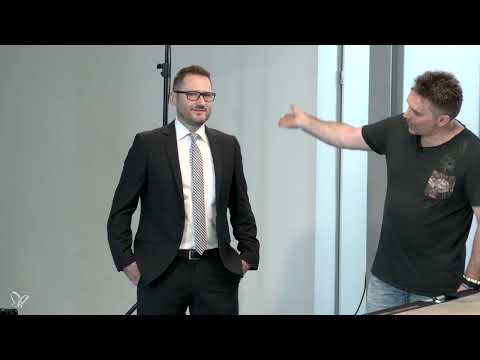
The video is only loaded from YouTube when you play it – data (including your IP address) is then transmitted to YouTube/Google. More in the privacy policy
Key Takeaways
- Clarify the purpose of the photo before the shoot, such as a job application, website or business network.
- Consider the environment in which the picture will appear and the dress code of the target audience.
- Photograph two variants, for example strictly buttoned up and casually open, and decide afterwards.
- Let the person stand in their natural posture, because tension is visible.
- Pay attention to clothing, body rotation and favorite side, because every person has a different build.
- Control light and reflections so that the eyes look alive.
Step-by-Step Guide
Preparation and Purpose
Before you turn on the camera, you should know what the picture will be used for. Ask your client about the intended use: Is it for a job application, a company page or a professional network profile? An application photo requires a different effect than a casual profile picture for an agency. Write down the answer, because it determines all further decisions.

Also talk about the environment in the preliminary conversation. Does your client work with people in suits, or do they belong to an industry where people present themselves more casually? Ask specifically about the habits of the people who will later see the picture. This gives you a feeling for whether seriousness or approachability is more in demand.

Define the Style and Photograph Variants
Now it's about the question of whether the person should look more formal or casual. A buttoned jacket and a knotted tie convey reserve and professionalism. A jacket worn open looks more approachable and fresher. You don't have to commit right away. Photograph both variants at this stage, then you will have a real choice after the shoot.

You handle accessories such as glasses in the same way. Many clients wear them regularly, but not always. Therefore, photograph twice with and twice without glasses. That way the result decides, not a guess about how the client should look in the photo.

Posture and Presence
The most important principle is: let the person stand the way they naturally stand. Many clients have little experience in front of the camera and then try to imitate a pose that feels foreign to them. The result looks cramped. If your client, for example, stands casually with their hands in their pockets, stick with it and intervene only gently.

Make sure the client feels comfortable. A relaxed person radiates confidence, and that is exactly what you see in the photo. Talk to them calmly, have them exhale a few times and loosen their shoulders. Only once the tension has faded does the actual fine-tuning begin.

Adjusting Clothing and Details
Now come the little things that immediately stand out in the picture. Adjust the tie until it sits neatly. Check whether the shirt lies correctly, and remove lint with a lint roller. Especially with dark suits, even small particles show up clearly in the photo.

Afterwards, you turn to the jacket. The shoulders should lie evenly on the fabric. Carefully pull the jacket back so that it doesn't look tight. Pay particular attention to the padding in the shoulder area, because dents easily form there. Turn the client slightly, tighten the fabric a little and check the result again.

Image Framing and Proportions
For business portraits, you usually shoot down to about chest level, with the head in the frame. However, always shoot a bit more generously than you need for the finished image. Modern cameras have such a high resolution that you can crop the image later without visible loss of quality. A section that is missing on the computer cannot be added afterwards.

Body rotation also influences the proportions. If the person turns strongly toward the camera, the upper body looks broader. Turning away from the camera makes the figure appear slimmer. Try out different angles and compare the results on the display. Every client has a different build, so there is no universal solution.

Many people also have a favorite side, to which they automatically present themselves better. You can often recognize it by the client preferring to turn their head in one direction. Test both sides and note which looks more natural. A comparison with an everyday movement, such as the front foot when snowboarding, can sometimes help you with the assessment.

Light, Reflections and Gaze
Grazing light is a good design tool, but it has limits. A slight reflection on the receding hairline can give the image freshness, and backlighting looks lively. What matters is that the light does not obscure the person or illuminate them unflatteringly. Therefore, move the lamp until the result is right.

The position of the lamp also affects glasses. If the light source is too high, shadows appear over the eyes. Lower it slightly and check the reflections in the lenses. Balance is important: the eyes should receive light without the lenses reflecting completely.

Finally, you check the gaze. Eyes must sparkle so that the image radiates vitality. If the lamp is too far away, the eyes quickly look lifeless. A gaze with shine, on the other hand, looks motivated and open, and that is exactly what a portrait that is meant to make an impression needs.

Conclusion
A good business portrait shows who the person is and what they stand for. If the client sends out a job application with the photo or presents their own company, it must look fresh and lively. Therefore, at the end, take time once more to compare the best shots before you wrap up the series.

Summary ??? Presenting a Business Portrait Correctly: Step-by-Step Guide
A convincing business portrait is not created by light and camera alone. What matters is knowing the purpose of the image, shooting variations, and showing the person relaxed in their natural posture. Pay attention to neat clothing, a generous framing, as well as suitable body rotation and light. This way, every client looks authentic and professional.
FAQ
Do I always have to photograph the jacket buttoned?No, that depends on the purpose and the context of the image. It is best to photograph both variants and then decide which fits better.
How much surrounding space should I photograph around the subject?Shoot more generously than you need. The high resolution of modern cameras allows you to crop later without the quality suffering.
What do I do if my client gets tense during the shoot?Talk to them calmly, have them exhale deeply and loosen their shoulders. Also let them stand in their usual posture instead of pushing them into an unfamiliar pose.
How do I avoid reflections in glasses?Change the position of the lamp and check the shadows. A balance between light on the eyes and too much reflection usually leads to the best result.

